NEWS
We will continue to enhance our capabilities and service levels to provide global customers with higher quality, more efficient, and more environmentally friendly steel products.
In the industrial manufacturing and construction sectors, steel plates are one of the most fundamental and important raw materials. Faced with the wide variety of steel plates on the market, how do you make the best choice based on project needs? As a professional steel supply chain service provider, Tianjin Zhongxiang Steel Group will provide you with a detailed explanation of the core differences and selection guidelines for hot-rolled, cold-rolled, and galvanized steel plates.
1. Hot-rolled steel plates (coils): The preferred choice for strength and economy
Hot-rolled plates are rolled at high temperatures. They are characterized by a wide range of dimensions and thicknesses (from medium-thick plates to hot-rolled thin coils), high strength, but the surface has iron oxide scale and is slightly rough. They are widely used in applications where surface requirements are not high and structural strength is paramount, such as ships, bridges, building steel structures, heavy machinery, and oil storage tanks. For large-scale infrastructure projects, hot-rolled plates are the ideal choice for structural materials due to their excellent cost-effectiveness.
2. Cold-rolled steel plates (coils): The choice for precision and aesthetics
Cold-rolled plates are produced by rolling hot-rolled coils at room temperature. Their products have a smooth surface, high dimensional accuracy, and uniform performance. Therefore, cold-rolled plates are favored by industries with strict requirements for product appearance and forming precision. Typical applications include car bodies, high-end home appliance casings, office furniture, and precision instruments. They are also the best substrate for further processing such as electroplating and color coating.
3. Galvanized steel plates (coils): The guardian of corrosion resistance and weatherability
Galvanized plates are produced by hot-dip galvanizing or electroplating zinc onto the surface of cold-rolled or hot-rolled plates, forming a dense zinc protective layer, thus achieving excellent corrosion resistance. According to different plating processes and surface structures, they can be divided into hot-dip galvanized plates (GI), electro-galvanized plates (EG), and aluminum-zinc coated plates (GL), etc. They are widely used in outdoor building roofs and walls, ventilation ducts, automotive parts, grain storage, and electromechanical casings requiring corrosion resistance.
Tianjin Zhongxiang Steel's material selection advice:
When choosing steel plates, the key is to clearly define the project's "mechanical performance requirements, surface quality level, corrosion resistance needs, and budget." Tianjin Zhongxiang boasts a comprehensive inventory of sheet materials and extensive resource channels. Our technical consultants can provide professional material selection advice and alternative material solutions tailored to your specific application scenarios, helping you find the optimal balance between cost and performance.
Related Posts

NEWS
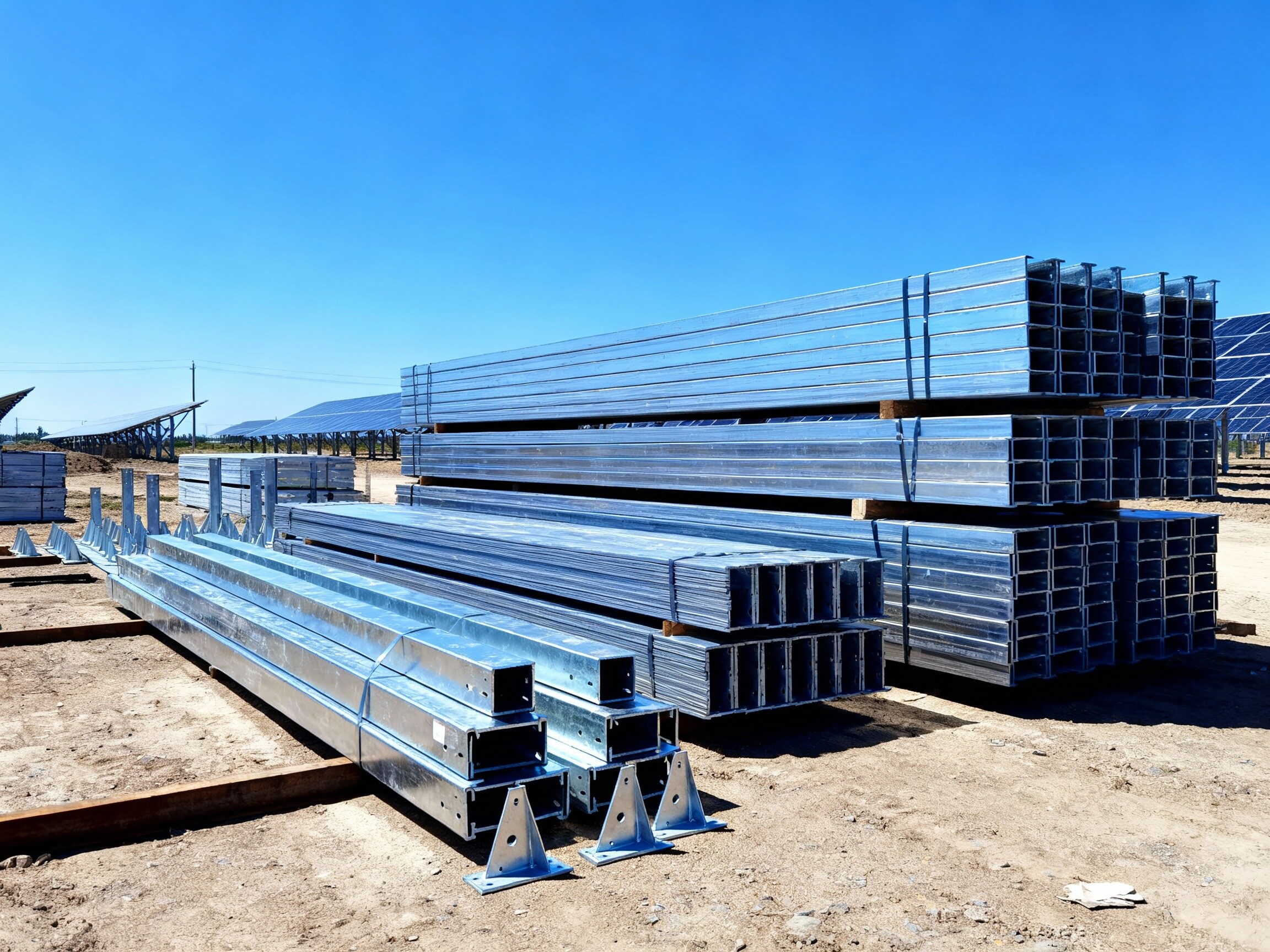
Tianjin Zhongxiang Steel supports a large-scale photovoltaic power plant project in South America, delivering thousands of tons of high-end structural steel on schedule.Comprehensive product supply and precise processing services enable the "Chinese supply chain speed" for overseas new energy infrastructure projects.Learn MoreNEWS
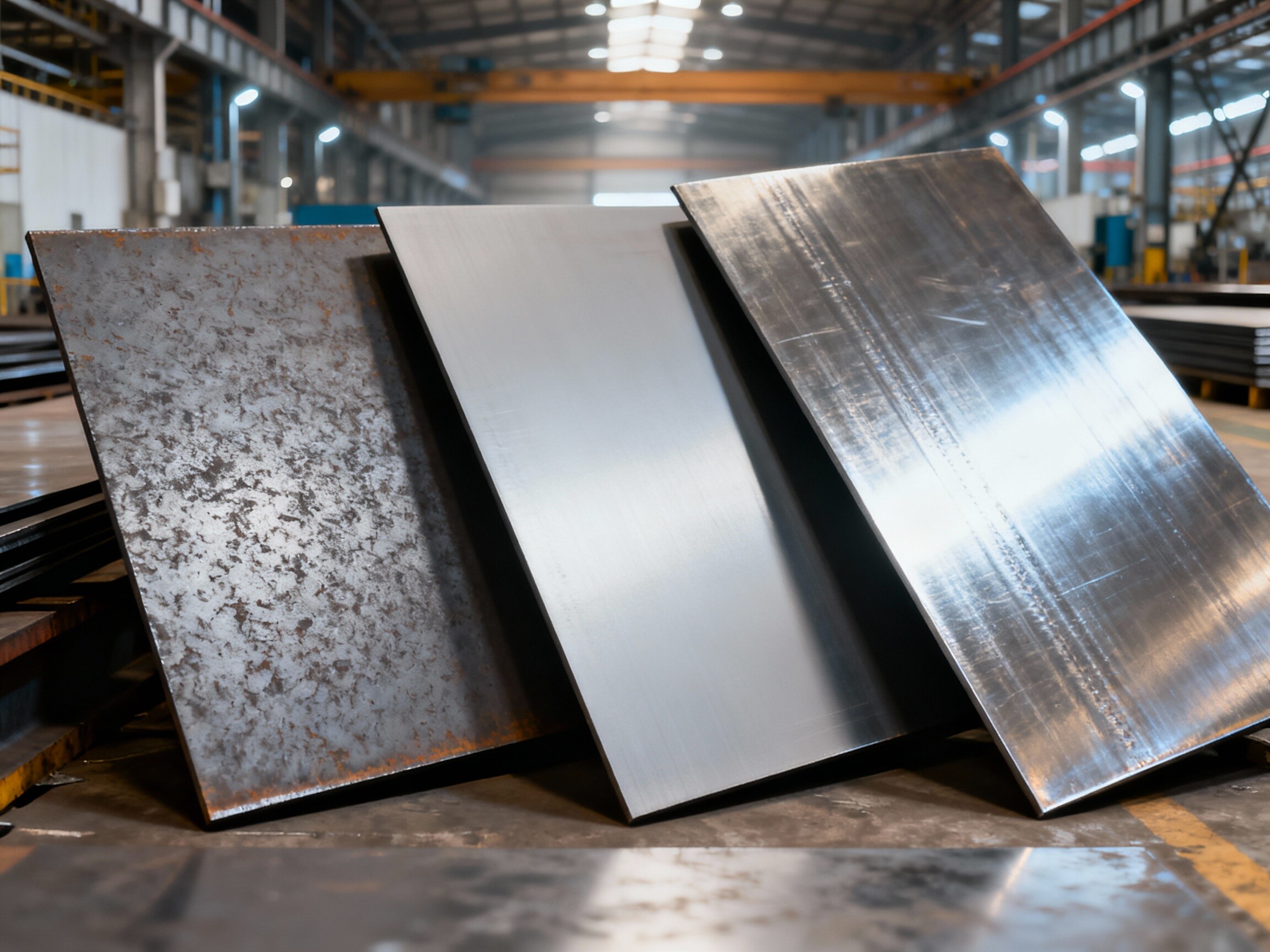
How to choose the most suitable sheet metal for your project? – An in-depth analysis of hot-rolled, cold-rolled, and galvanized steel sheets.Tianjin Zhongxiang Steel provides you with a comprehensive overview of the characteristics, manufacturing processes, and application scenarios of three major types of steel plates.Learn MoreNEWS
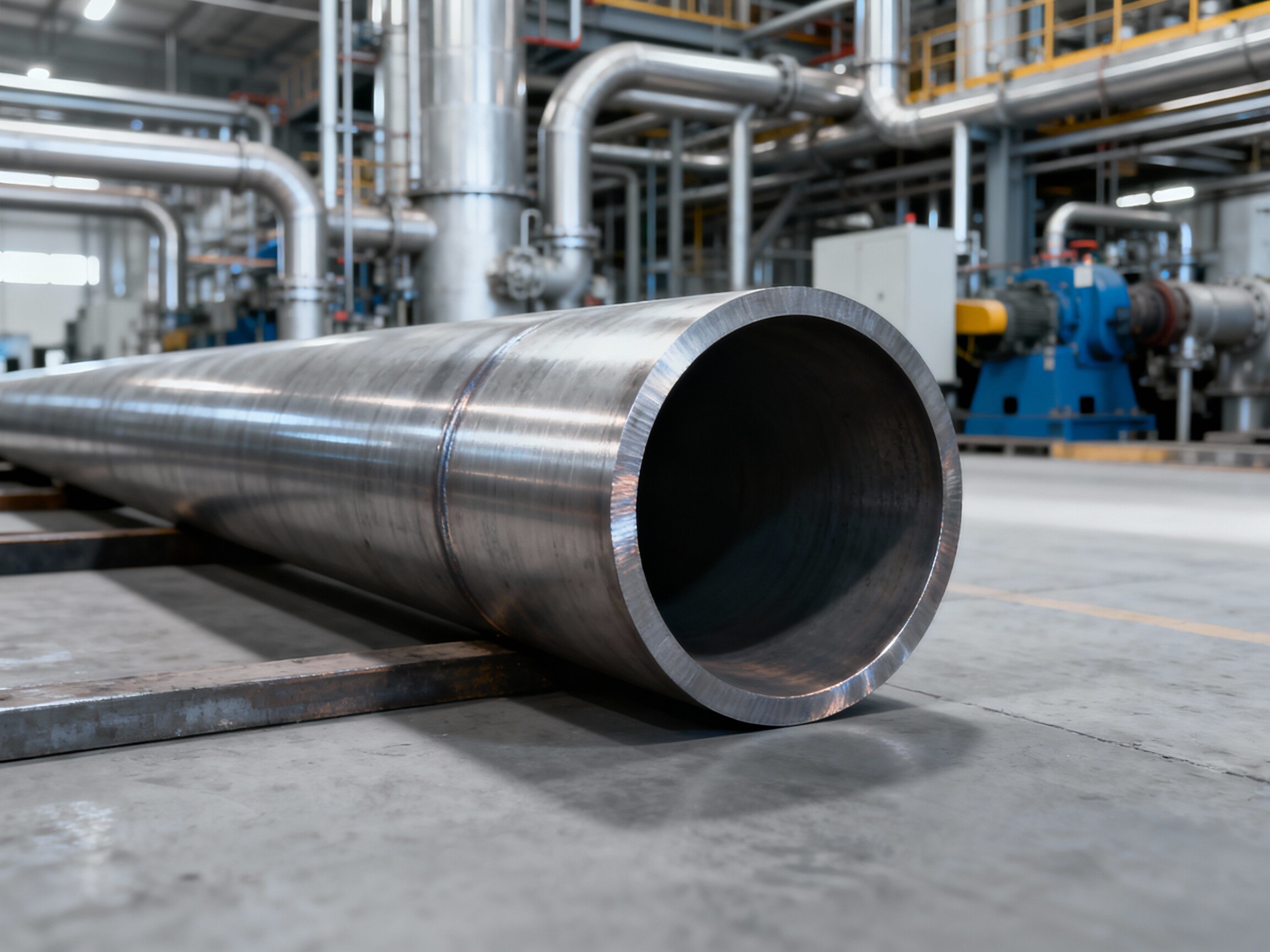
The Path to Selection: An In-depth Analysis of the Classification and Application Scenarios of Industrial Special Steel PipesTianjin Zhongxiang Steel Group provides you with key knowledge to help you make precise material selections.Learn More


Search Starts Here
Please give us a message