NEWS
We will continue to enhance our capabilities and service levels to provide global customers with higher quality, more efficient, and more environmentally friendly steel products.
Tianjin Zhongxiang Steel Group helps you understand key knowledge for accurate material selection.
【Industry Insight】In industrial fields such as petrochemicals, power equipment, and machinery manufacturing, special steel pipes are core components that are crucial to equipment safety and production efficiency. However, faced with a complex array of standards and categories, choosing the right type of steel pipe is a challenge for many engineers and purchasing managers. Tianjin Zhongxiang Steel Group, as a seasoned expert in steel materials, has compiled this essential knowledge about special steel pipes for industrial use.
I. Seamless Steel Pipes vs. Welded Steel Pipes: Essential Differences and Application Areas
Seamless steel pipes: Made by hot rolling or cold drawing of round steel through a piercing process, without any welds. Due to their strong pressure resistance and uniform mechanical properties, they are the preferred choice for high-pressure, high-temperature, and high-risk environments, such as boiler pipes, hydraulic cylinders, bearing sleeves, and petroleum cracking pipes.
Welded steel pipes: Made by welding steel plates or strips after forming. They have high production efficiency and are more cost-effective. Among them, straight-seam welded pipes have high precision and are often used for structural support and fluid transportation; spiral welded pipes, due to their spiral welds, have stronger pressure resistance and are often used in long-distance oil and gas pipelines and foundation piles.
II. Materials and Standards: The Cornerstone of Performance
The performance of special steel pipes depends on their material and applicable standards. Common materials include:
Carbon steel: Such as 20# and 45# steel, with good overall mechanical properties, used for general structural components and fluid pipes.
Alloy steel: Such as 15CrMoG and P91, with added elements like chromium and molybdenum, possessing excellent high-temperature strength and corrosion resistance, specifically used in power plant boilers and superheated steam pipelines.
Stainless steel: Such as 304 and 316L, widely used in food, pharmaceutical, chemical equipment, and marine environments due to their excellent corrosion resistance.
When selecting, it is essential to clarify the standard system followed by the project requirements, such as American standards ASTM A106/A53, European standards EN 10216, and Chinese national standards GB/T 8163/3087, to ensure that the material performance matches the design. III. Professional Material Selection Recommendations
Tianjin Zhongxiang Steel Group recommends following the "application first" principle when selecting materials: clearly define core parameters such as medium, pressure, temperature, and corrosive environment, and then combine these with budget and delivery time to select the most suitable category, material, and process. For complex working conditions, it is recommended to consult suppliers with professional technical service teams, such as Zhongxiang Steel, to obtain customized solutions.
As a full-range steel service provider, Tianjin Zhongxiang not only provides high-quality special steel pipes that meet various international standards, but also leverages its profound technical expertise to provide customers with full-cycle services from selection consultation to after-sales support, becoming a reliable "material consultant" for its customers.
Related Posts

NEWS
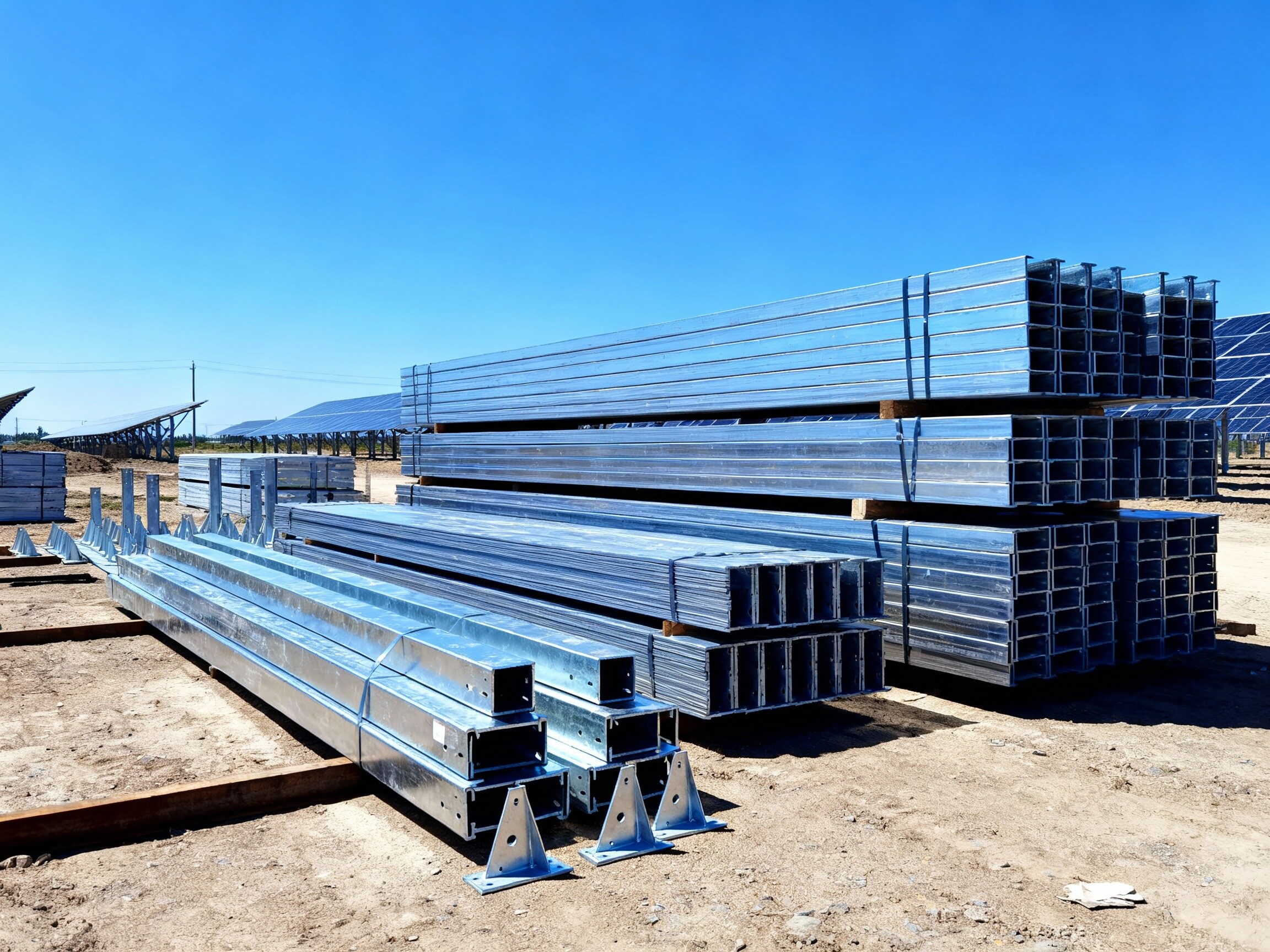
Tianjin Zhongxiang Steel supports a large-scale photovoltaic power plant project in South America, delivering thousands of tons of high-end structural steel on schedule.Comprehensive product supply and precise processing services enable the "Chinese supply chain speed" for overseas new energy infrastructure projects.Learn MoreNEWS
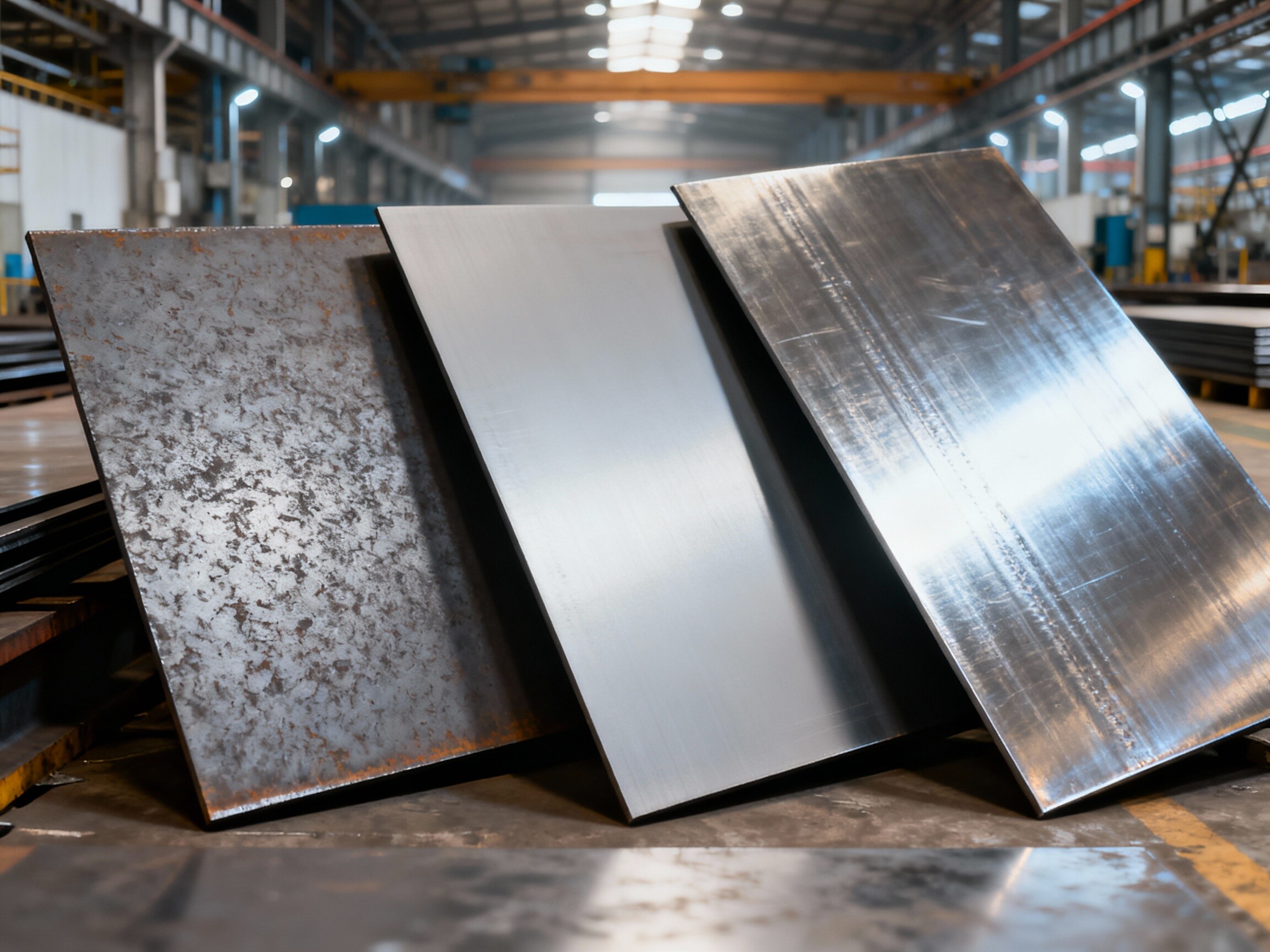
How to choose the most suitable sheet metal for your project? – An in-depth analysis of hot-rolled, cold-rolled, and galvanized steel sheets.Tianjin Zhongxiang Steel provides you with a comprehensive overview of the characteristics, manufacturing processes, and application scenarios of three major types of steel plates.Learn MoreNEWS
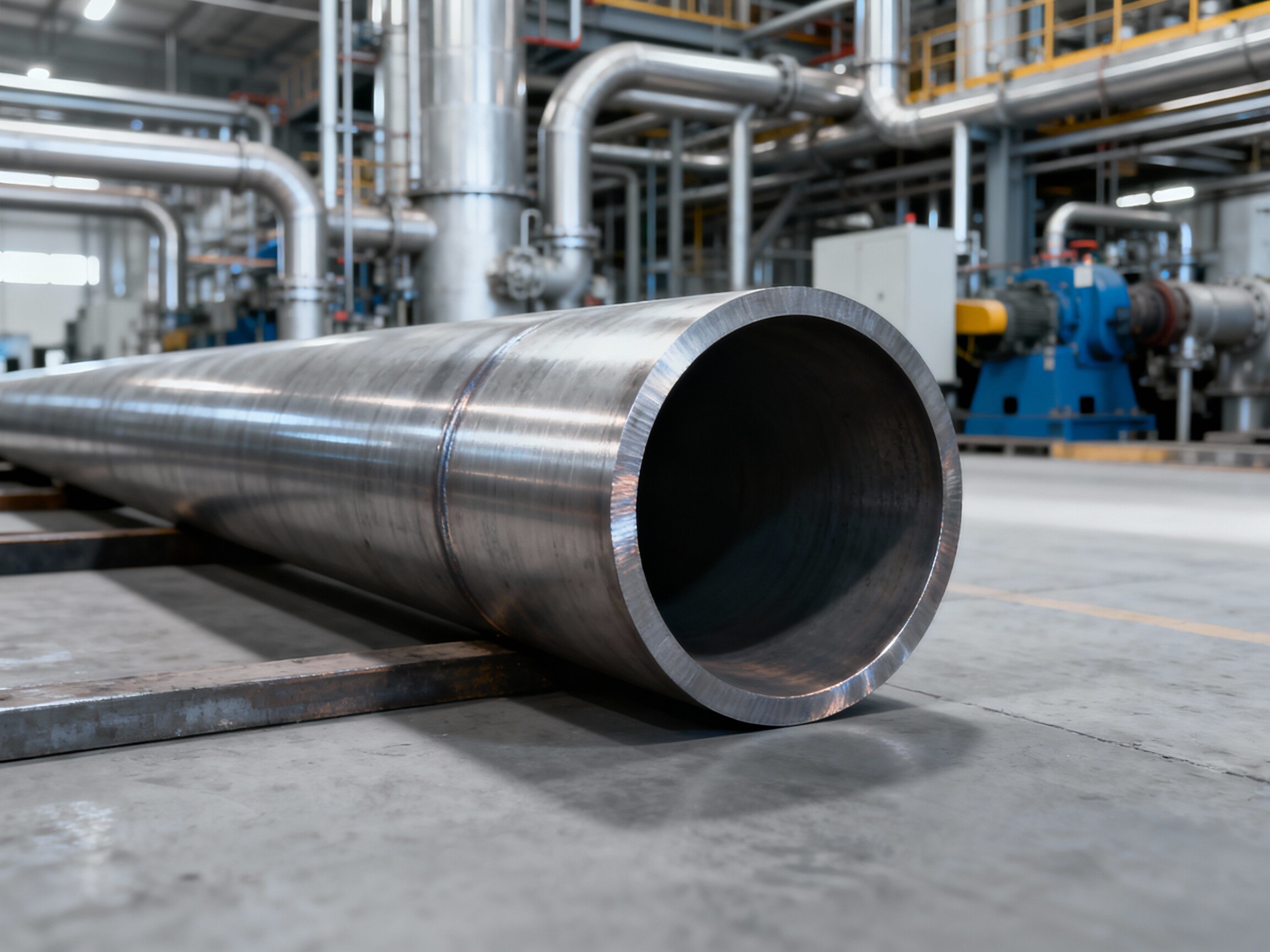
The Path to Selection: An In-depth Analysis of the Classification and Application Scenarios of Industrial Special Steel PipesTianjin Zhongxiang Steel Group provides you with key knowledge to help you make precise material selections.Learn More


Search Starts Here
Please give us a message